
If you search “how to source products from China,” you’ll find hundreds of articles with the same checklist: find suppliers, request samples, negotiate prices, and arrange shipping.
But anyone who has actually sourced from China knows the reality is messier. Factories sometimes quote different prices after samples. Communication isn’t always straightforward. And you may not even realize if you’re talking to a factory or a trading company.
Whether you’re sourcing products from China for the US, Europe, or Asia, these insider tips will help you avoid common mistakes. This guide goes beyond generic checklists and shares practical, on-the-ground advice.
China Sourcing Reality: Millions of Factories & Trading Companies
China’s manufacturing ecosystem is massive. You can find almost any product here—but the sheer volume is a double-edged sword. Finding a supplier is easy; finding the right supplier is the real challenge.
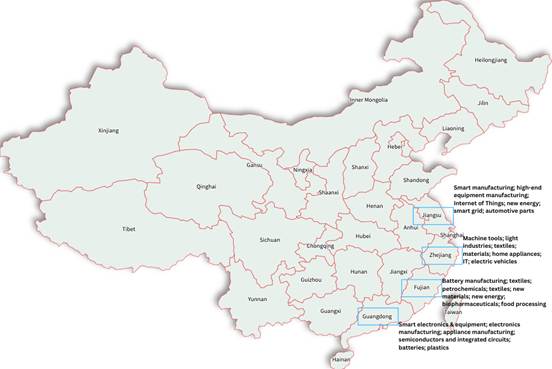
There are many industrial clusters, an entire city specializes in certain industries—electronics in Shenzhen, small commodities in Yiwu, textiles in Guangzhou, and the list goes on.
Many beginners assume the first supplier they find on Alibaba or another B2B platform is a factory. In reality, you might be dealing with a trading company, which can have both advantages and differences:
- Trading companies often consolidate orders from multiple factories, provide flexible product options such as lower minimum order quantity, and handle export logistics professionally.
- Factories give direct access to production capabilities, machinery, and often more stable pricing.
Knowing who you’re working with helps you plan your sourcing strategy effectively. If you’re new to sourcing, understanding the characteristics and advantages of each type of supplier before you start sourcing can help you make the best choice based on your specific needs.
Tip #1: How to Identify a Factory vs Trading Company in China Sourcing
Experienced buyers always ask: “Are you the manufacturer or a trading company?”
Both have strengths. Trading companies excel at convenience, handling multiple factories, and coordinating shipments, while factories offer direct production access.
Practical ways to verify a supplier:
- Check the business license for the official scope
- Request factory photos or production videos
- Ask technical questions about machinery, materials, or production processes
- Schedule a short video call inside the facility to observe operations firsthand
A sourcing company can coordinate these checks, join video calls, and help interpret the answers—so you know exactly who you’re dealing with.
Tip #2: Why Video Calls Are Crucial When Sourcing from China
Text messaging alone can hide risks. We all know that, so scheduling a video call can help:
- Evaluate supplier knowledge about your product
- Verify previous export experience
- Observe production processes and equipment
- Build trust for customization discussions
Many buyers can tell within 10 minutes whether the supplier is reliable. Pro tip: have a sourcing partner join the call—they can spot red flags even if you’re new to sourcing.
Tip #3: Avoid Costly Mistakes by Choosing Reliable Chinese Suppliers
It’s tempting to pick the lowest quote, but experienced buyers prioritize production capability first, price second.
Ultra-low quotes often signal:
- Lower quality materials
- Unstable production capacity
- Hidden costs during production
In many cases, buyers end up paying more because they need to redo production or deal with product defects.
A reliable factory with robust quality control will save you headaches and costs in the long run. A sourcing partner can help evaluate quotes against actual production capabilities, so you know which offer is truly competitive.
Tip #4: Quality Control Tips for Chinese Factory Production
Once an order is placed, quality control is critical. Common inspections:
- Pre-production inspection: checking materials and production plans before work starts
- During-production inspection: monitoring ongoing production
- Pre-shipment inspection: verifying final products before shipment
Managing inspections overseas can be tricky. Experienced buyers often work with a sourcing company, who can:
- Conduct inspections on-site
- Report real-time findings
- Ensure production meets your standards
Investing in quality control at this stage prevents costly mistakes and ensures consistency across your order.
Tip #5: Why Pre-Shipment Inspections Are Essential in China Sourcing
Many buyers assume that a perfect sample guarantees the same quality in mass production.
In reality, factories often use their best materials and most skilled workers for samples. When production scales up, batches may differ, and workers may change.
Pre-shipment inspections confirm:
- Product specifications
- Defect rates
- Packaging accuracy
- Quantity
Skipping this step is one of the most common reasons sourcing projects fail, so never rely solely on sample quality. A reliable sourcing partner can coordinate inspections, ensuring problems are caught early, saving time, money, and potential headaches.
Tip #6: How to Communicate Effectively with Chinese Suppliers
Many sourcing problems stem from communication gaps. Language differences and cultural factors can create misunderstandings. For example, suppliers may respond:
- “Let me check.”
- “We will try.”
To a new buyer, this might seem positive—but it could mean the factory cannot meet the request.
Tips from experienced buyers:
- Use clear technical drawings
- Write short, direct instructions
- Confirm specifications multiple times
- Include a sourcing partner in correspondence if you’re unsure
Clear documentation prevents problems faster than long discussions.
Tip #7: Build Strong Supplier Relationships for Smoother China Sourcing
In Western markets, supplier relationships are often transactional. In China, long-term trust can unlock real advantages:
- Faster production schedules
- More flexible MOQs
- Better pricing over time
That’s where working with a trading partner like Surmount Sourcing can help: we already have established relationships with verified factories, so you can access the benefits of trust and flexibility from day one, even if you’re a new customer.
Building your own direct relationships over time is still valuable, but partnering with a trusted trading company can speed up sourcing, reduce risk, and secure better terms right from the start.
Tip #8: How a Local Sourcing Company Can Simplify China Product Sourcing
Managing suppliers remotely from overseas can be challenging. A local sourcing partner can:
- Identify and verify reliable suppliers
- Negotiate competitive pricing
- Coordinate product samples and production monitoring
- Manage quality inspections
- Handle logistics and international shipping
With a professional sourcing company, your team can focus on marketing, sales, and product development, while the sourcing process becomes faster, smoother, and more predictable.
Simplify China Sourcing with Surmount Sourcing’s Professional Support
Sourcing products from China efficiently requires more than a checklist. Working with experienced professionals significantly reduces risks and streamlines the process.
Surmount Sourcing supports global businesses throughout the entire sourcing journey—from identifying reliable manufacturers to managing production and coordinating international logistics. Whether you’re launching a new product or expanding your supply chain, having the right sourcing partner makes importing from China far more efficient and predictable.
If you’re planning to source products from China, our team is ready to help you explore the best options for your business.
Need hands-on support after shortlisting suppliers? See our China sourcing and purchasing service, quality inspection process, and shipping solutions from China.