If you’re thinking about starting a small side hustle online, dropshipping is probably one of the first models you’ve come across. It promises low upfront cost, no inventory, and the ability to sell globally. That part is still true.
But what most people don’t tell you is this: dropshipping is easy to start, but hard to get right.
We’re talking about hype. It’s about helping you avoid the common mistakes and build something that actually works, even if you’re starting with a small budget.
1. Start Simple, But Don’t Start Blind
A lot of beginners get stuck trying to find the “perfect product.” In reality, you don’t need perfection—you need something that solves a clear problem and is easy to show on your website and other promotional contents.
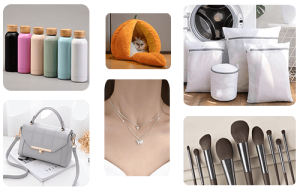
Instead of overthinking it, pick a niche you understand even slightly (fitness, home organization, pets, beauty, etc.), and test a few products within that space. Keep your first store simple. You are not building a brand yet—you’re validating demand and getting hands-on with the entire process, from sourcing to the final customer purchase.
At this stage, what really matters is quickly running through the full cycle end-to-end, so you understand how everything actually works, rather than trying to make everything perfect.
2. Your Supplier Will Make or Break You
This is the part most beginners underestimate. You might think your job is just to build a website and run ads. But your supplier controls what your customer actually receives, and that defines your reputation.
Common beginner setup:
– Random supplier from a marketplace (normally those with the lower/lowest prices)
– Long shipping times (15–25 days)
– No quality control
This usually leads to refunds, complaints, and burnout. If you’re serious, you need to think one step ahead. Even at a small scale, try to work with more reliable suppliers or consider using a sourcing partner or trading company that can help you manage sourcing and shipping properly.
Because once you start getting orders, fixing these issues becomes much harder.
3. Shipping Time Is Not a Small Detail
If there’s one thing that kills a dropshipping store fast, it’s slow delivery.
Customers today are used to fast shipping, and that expectation is only getting higher. Major platforms are continuously pushing the standard forward. For example, services like JD’s overseas initiative (often known as JoyBuy) are already offering same-day or next-day delivery in certain markets like the UK.
What this means in practice is simple: your customer is not comparing you to other small stores—they’re comparing you to the best experience they’ve ever had.
If your product takes three weeks to arrive, many people will either not buy—or they’ll ask for a refund before it even shows up.
If you’re starting out, aim for something reasonable (7–12 days if possible). You don’t need perfect logistics on day one, but you do need something reliable.
This is another reason why many sellers eventually work with sourcing partners or trading companies—they help optimize shipping routes, consolidate orders, and make delivery times more predictable across regions. More importantly, they give you better control over the entire process, which becomes critical as you grow.
Because in today’s environment, shipping isn’t just logistics—it’s part of your product experience.
4. Don’t Compete on Price—Compete on Clarity
You will almost never be the cheapest seller. And that’s okay.
What you can control is how clearly you present your product.
Most people fail not because their product is bad, but because:
– Their messaging is unclear
– Their product page feels generic
– Their content doesn’t show real use
If someone understands exactly why your product fits their life, they are much more likely to buy, even if it’s not the cheapest option.
Focus on:
– Who this product is for
– What problem it solves
– How it looks in real life
Paid ads can work, but they are getting more expensive and harder to optimize for beginners.
Right now, one of the best ways to get traction is simple content:
– Short videos (don’t underestimate the impact of social media)
– Real-life usage, customers trust user generated content more than brand official messages.
– Honest demonstrations
You don’t need a big production. In fact, low-effort, authentic content often performs better.
Think of it this way: instead of trying to “sell,” just show how the product fits into someone’s daily routine.
6. Treat Dropshipping as a Test, Not the End Goal
Dropshipping works best when you use it to test ideas.
Once you find something that sells consistently, your next move should be to improve it:
– Better supplier
– Better packaging
– Faster shipping
– More control over quality
This is where things start to get more interesting. Instead of continuing to sell the same generic product, you can begin to customize it. This could mean small changes at first—like packaging, inserts, or branding, but over time, it can extend into deeper product development.
This is where concepts like OEM (Original Equipment Manufacturing) and ODM (Original Design Manufacturing) come in.
You don’t need to start here, because it requires more capital and commitment. But once you’ve validated a product, this is how you turn something common into something that is uniquely yours.
With the right sourcing support or trading partner, you can:
– Customize product features
– Improve materials or build quality
– Develop exclusive versions of a product
– Create a brand that competitors can’t easily copy
This is the step where many dropshipping businesses transition into real brands.
And this is also where having the right sourcing support becomes important—because execution matters just as much as the idea.
7. You Don’t Have to Do Everything Alone
If you’re outside of China, dealing directly with factories, logistics, and quality control can be overwhelming—especially when you’re just starting out.
This is where a trading company can actually simplify your setup.
Instead of managing multiple suppliers and figuring out shipping on your own, you work with one partner who helps you:
– Find reliable manufacturers
– Check product quality
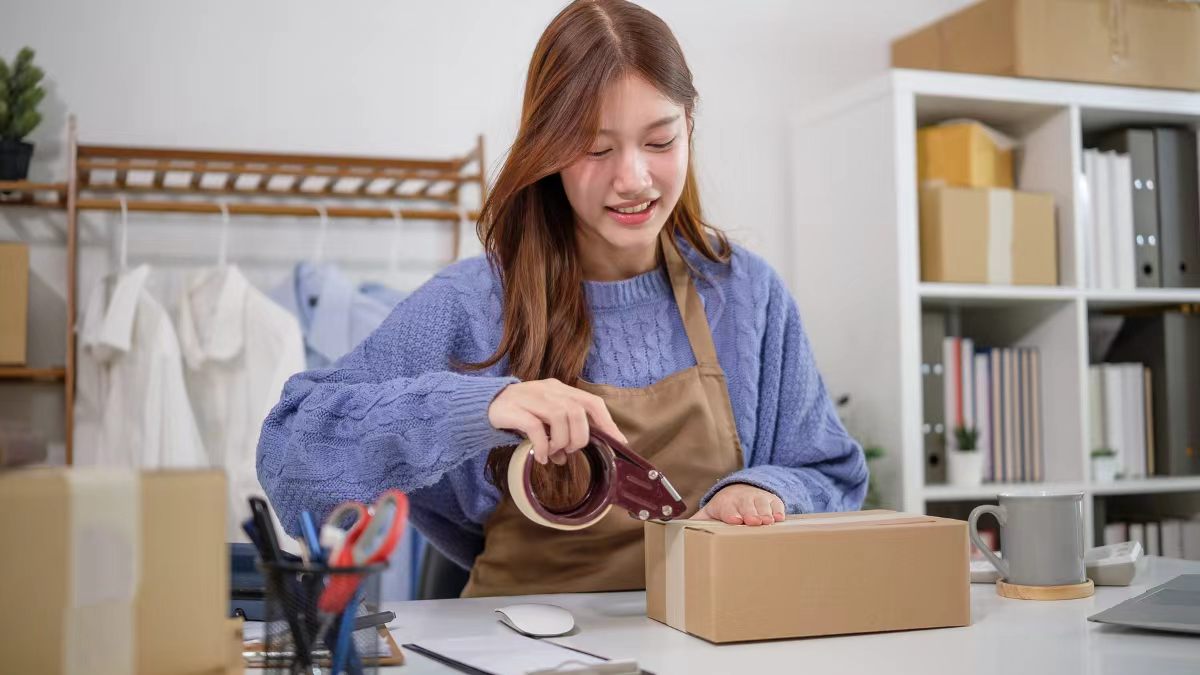
– Handle fulfillment and international shipping
This doesn’t just save time, it reduces risk, especially when your order volume starts growing.
Dropshipping is still one of the most accessible ways to start an online business with a small budget. But the people who succeed today are not the ones chasing shortcuts—they are the ones building a solid foundation early on.
Start simple. Learn fast. Fix your supply chain early. And focus on creating a good customer experience, not just making a quick sale.
If you want a more reliable way to manage suppliers and shipping, working with a structured partner can make a big difference.
At Surmount Sourcing, we support entrepreneurs and small businesses with product sourcing, supplier coordination, and international fulfillment—so you can focus on growing your store instead of dealing with operational issues.
Because in the long run, the goal isn’t just to start.
It’s to build something that lasts.